Home Decor Ideas for Real Homes, Small Spaces and Real Budgets
MivoroTools is a home interior and decor guide for people who want a room to look better without a full renovation. We write about small living rooms, bedrooms, kitchens, wall styling, minimalist homes and budget makeovers, using plain language and steps you can try this weekend.
Creating a comfortable, attractive home does not always call for a full renovation or expensive furniture. Thoughtful planning, better organization, suitable lighting and a few carefully chosen decorative pieces can make a noticeable difference.
Most home decor ideas online assume a big budget, a big room or a designer. These guides start from the opposite end: a small space, a limited budget and a few free hours. Each one explains the idea, shows where it works and where it does not, and lists the mistakes worth avoiding before you spend money.
Room guides
Practical home interior design ideas for living rooms, bedrooms and kitchens, with attention to layout, lighting and storage.
Style guides
How to get a minimalist, cozy or modern look using what you already own and a few well-chosen pieces.
Budget guides
Budget home decoration, small renovation tips and what to check before you buy, so money goes where it shows.
Home decor ideas by room
Every room serves a different purpose, and its design should reflect how people use it. Choose the room you want to improve and start with the guides below.
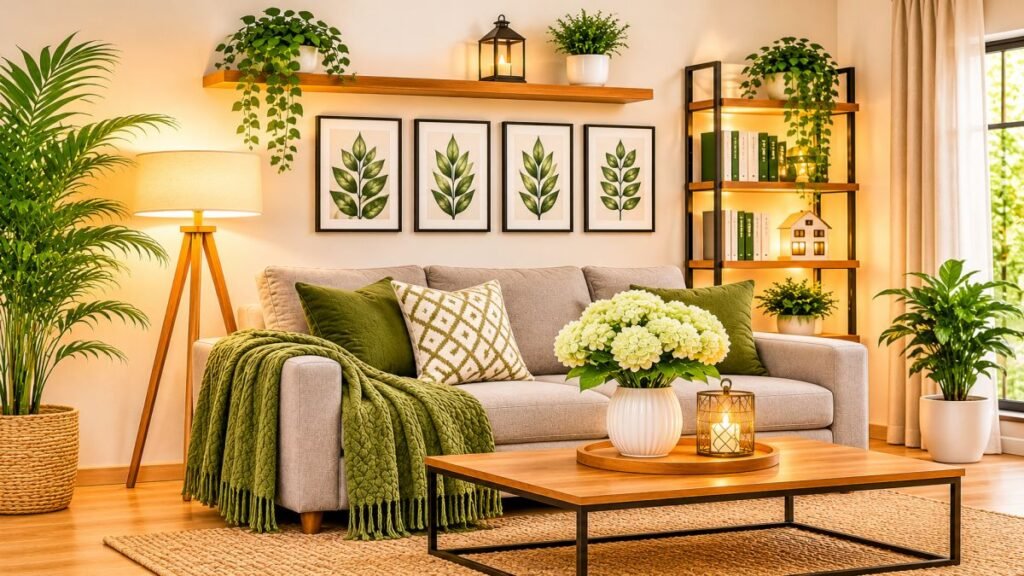
A small living room usually needs fewer, better pieces rather than more furniture. Start with a layout that leaves clear walking space, then layer lighting, a large mirror and a rug that fits the seating area. Our guide shows what works in a tiny space and what only looks good in photos.
A bedroom works best when it feels calm: restful colors, soft lighting and a bedside area that is not buried in clutter. Choose between a warm, cozy look and a cleaner modern one, and see how to get either without replacing your bed.
Kitchens reward planning: layout first, then storage, lighting and finishes. Our kitchen guide explains what makes a kitchen feel modern, which choices are mostly about looks, and which ones change how the room works every day.
Small decorative decisions add up: how you hang art, group accessories, choose curtains and balance color. These guides cover easy styling ideas that make a room feel finished without clutter.
Good decor rarely needs a big spend. Decluttering, rearranging what you own, changing textiles and layering light cost little and change a room more than one expensive item does. The budget guide shows the order to do things in so money goes where it shows.
If a room feels heavy or crowded, the minimalist guide explains how to keep what you use and let the space breathe. Planning bigger changes? The renovation guide helps you decide where to start, and the office guide covers workspaces at home.
Home decor ideas by style: find the look that suits you
Choosing a style first stops you buying pieces that fight each other. Here are four common looks, what defines them and who they suit. You can mix them, as long as one style leads.
Modern
Clean lines, uncluttered surfaces and a neutral base with one or two bold accents. Typical materials are glass, metal and smooth wood.
Best for: People who like order and open space.
Watch out: Modern rooms can feel cold. Add texture with a wool throw, a wooden piece or a plant.
Minimalist
Fewer items, each chosen for a purpose. Calm colors, and storage that hides everyday objects.
Best for: Small spaces and busy households.
Watch out: Minimalist does not mean empty. Keep at least one warm material or plant so the room still feels lived in.
Cozy and warm
Layered textiles, soft lighting, warm colors and natural materials such as wood, cotton and wool.
Best for: Bedrooms and family living rooms.
Watch out: Too many layers become clutter. Edit down to the pieces you actually use.
Classic
Symmetrical layouts, richer colors, curved furniture, framed art and patterned fabrics.
Best for: People who enjoy detail and traditional character.
Watch out: Heavy furniture can overwhelm a small room. Mix in a few lighter pieces.
How to plan a home decor project, step by step
A little preparation helps you avoid unnecessary purchases and furniture that does not suit the room. Work through these five steps before you spend anything.
Identify the purpose of the room. A living room used mainly for family relaxation needs a different furniture arrangement from one used to entertain visitors.
Assess the space. Measure the room and note windows, doors, electrical outlets and existing storage. These details show you which changes are realistic.
Set a practical budget. Separate essential purchases from optional decorative extras, and include delivery, installation, labor and maintenance in your estimate.
Select materials and furniture carefully. Compare size, durability and upkeep. A material that suits a rarely used corner may not be practical in a busy household.
Review the final arrangement. Before buying everything, check walking space, lighting, storage and everyday comfort against your plan.
Quick planning checklist
Measure the room
Identify its main purpose
List essential furniture
Decide on a color scheme
Review lighting and storage
Set a realistic budget
Compare materials and products
Check the final arrangement before you buy
Room layout cheat sheet: measurements that make decor easier
These are common design rules of thumb, not strict laws. Adjust them to your room, and always measure before you buy. A simple trick is to mark furniture sizes on the floor with painter’s tape and walk around the outline.
What you are placing
Common rule of thumb
Why it helps
Main walkways
About 3 ft (90 cm) of clear space
You can move through the room without squeezing past furniture.
Sofa to coffee table
About 14 to 18 in (35 to 45 cm)
Close enough to reach, with room for your legs.
Rug under seating
At least the front legs of the sofa and chairs sit on the rug
Ties the group together so the rug does not look like it is floating.
Art on a wall
Center of the piece about 57 to 60 in (145 to 152 cm) from the floor
Matches average eye level, so art does not sit too high.
Curtains
Rod close to the ceiling, extending past the window frame
Makes the window and the ceiling look larger and lets in more light.
Dining chairs
About 36 in (90 cm) between the table edge and the wall
Chairs can be pulled out and people can pass behind them.
Bedside tables
Top roughly level with the top of the mattress
Easy to reach a lamp, water or a phone.
Lighting and color: the two things that change a room most
Layer your light
A single ceiling light makes a room look flat. Use three layers instead:
Ambient: the main light from the ceiling or large lamps.
Task: reading lamps, desk lights and lighting under kitchen cabinets.
Accent: a small lamp on a shelf or a light that highlights art.
Warm white bulbs usually suit living rooms and bedrooms. Cooler light is better for work areas such as a desk or kitchen counter.
Choose colors with a simple ratio
A popular guide is the 60-30-10 approach:
60% dominant color: walls, large rugs, big furniture.
30% secondary color: curtains, an accent chair, bedding.
10% accent color: cushions, art, small accessories.
Test paint samples on the wall in your own room, and look at them in the morning and the evening. Natural light changes how a color looks.
Seven common home decor mistakes and how to fix them
Most rooms that feel “off” have a simple, fixable cause. Check your room against this list before buying anything new.
Buying before measuring. Measure the room, the doorway and the walking paths first. Tape the outline of large pieces on the floor to see how they fit.
Pushing every piece against the wall. In a larger room, pulling the sofa slightly forward creates a more comfortable seating area.
Relying on one ceiling light. Add lamps at different heights so the room has soft pools of light.
Hanging art too high. Aim for the center of the piece to sit around eye level, and hang art close enough to furniture that they feel connected.
Choosing a rug that is too small. A rug that is too small makes the seating area look cramped. Go larger if the room allows it.
Filling every surface. Group small decorations in threes and leave empty space around them so each piece can be seen.
Ignoring storage. Plan where everyday items will live before you decorate. Closed storage hides clutter that open shelves would show.
A simple weekend plan to refresh one room
You do not need to change everything at once. Spend your time and money in this order, because the first steps cost the least and often change the room the most: declutter, rearrange what you own, improve the lighting, add textiles, hang art, and only then replace furniture.
Saturday: clear and rearrange
Take a photo of the room before you start.
Remove items that do not belong, and sort what is left into keep, store and donate.
Clean the room thoroughly, including windows.
Try a new furniture arrangement and walk through it.
Write a short list of what the room still needs.
Sunday: finish and style
Fix the lighting: add a lamp or change the bulbs.
Refresh textiles: cushion covers, a throw or curtains.
Hang or lean art at eye level.
Add one plant or a few natural objects.
Take an “after” photo and note what you would change next.
Latest home decor guides
Browse our newest articles on interior design, decorating, furniture and home improvement. Each guide is written to help you compare options and make a decision before you change your space.
Home decor advice is only useful if you can trust where it comes from. These are the standards MivoroTools guides aim to meet.
Clear, practical writing. We explain ideas in plain language instead of relying on attractive pictures or design jargon.
Honest limits. Decor ideas are general. For structural, electrical or plumbing work, speak to a qualified professional, as our Disclaimer explains.
Check before you buy. Prices, sizes and materials change, so verify product details with the seller.
Corrections welcome. If something is wrong or out of date, tell us through our Contact page and we will review it.
You can read more about the site on our About Us page.
Frequently asked questions about home decor ideas
How do I decorate my home on a budget?
Start with what costs nothing: declutter, deep clean and rearrange the furniture you already own. Then change small, visible things such as cushion covers, lighting and one wall, rather than buying large pieces. Our budget home decoration guide lists the steps in order.How can I make a small living room look bigger?
How can I make a small living room look bigger?
Light colors, a large mirror placed opposite a window, layered lighting and furniture with raised legs all help. Avoid heavy furniture and too many small decorations. The small living room guide covers each of these.What is minimalist interior design?
What is minimalist interior design?
It means keeping what you use or love and removing visual clutter, so rooms feel open and calm. It does not mean an empty white room; warm colors, textures and plants still belong. See our minimal home interior guide.Where do I start with a home renovation?
Where do I start with a home renovation?
Begin with how you use each room, set a budget, and measure carefully before choosing anything. Our renovation tips guide walks through the sequence.How do I choose furniture for a small room?
How do I choose furniture for a small room?
Measure the available space and compare furniture dimensions before purchasing. Consider multipurpose furniture, suitable storage and arrangements that keep comfortable walking paths.Which colors are suitable for home interiors?
Which color is suitable for home interior?
No single color combination works for every home. Consider room size, natural light, existing furniture and the atmosphere you want, then test samples in the room before making larger changes.How can I improve my home without a major renovation?
How can I improve my home without a major renovation?
Rearrange furniture, improve storage, update lighting, refresh accessories or change the wall decoration. The right improvements depend on the room’s current condition and your needs.How high should I hang curtains?
How high should I hang curtains?
Mount the rod closer to the ceiling than to the top of the window, and extend it several inches past each side of the frame. Curtains that skim the floor look tidier, and the window looks larger and lets in more light. What size rug should I buy?
What size rug Should I buy?
Choose a rug large enough that at least the front legs of your sofa and chairs sit on it. In a small room, a rug that leaves a border of bare floor around the edges often looks balanced.How many cushions should I put on a sofa?
How many cushions should I put on a sofa?
There is no fixed rule. Two to four cushions suit most sofas. Mix sizes and textures, and make sure there is still room to sit. How do I mix patterns without a messy look?
How I do mix patterns without a messy look?
Pick one dominant pattern, then add smaller patterns that share a color with it. Balance them with plain colors so the eye has somewhere to rest. Do you recommend products?
Do you recommend Products?
Some guides mention materials or product types for context. Prices and availability change, so check details with the seller before you buy.
Start with the room that bothers you most
Pick one room, one guide and one small change. Decorating works best a corner at a time.
Editorial note: MivoroTools publishes general information about home design, interior decoration and home improvement. Consider your own requirements, verify product specifications, and consult a qualified professional for structural, electrical, plumbing or other specialist work. See our Disclaimer.